Kaziranga National Park: Explore Assam’s Wildlife Wonderland
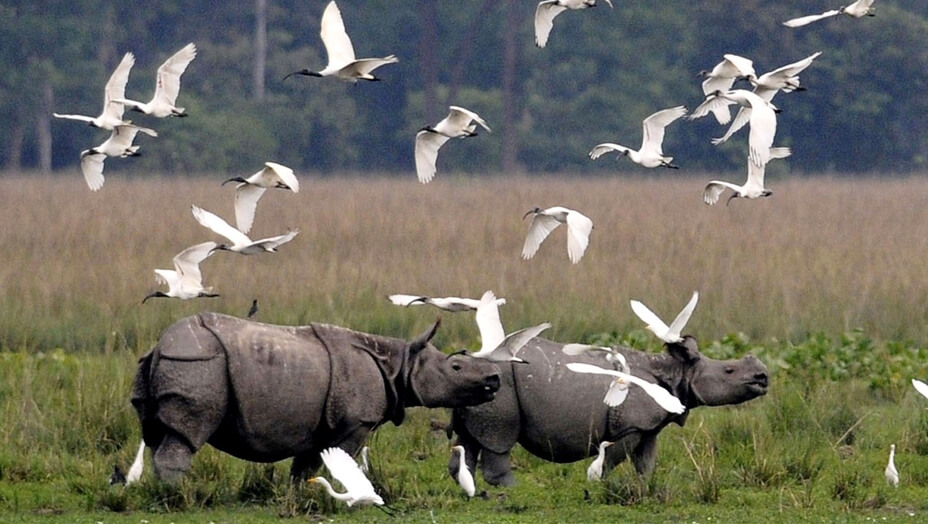
Kaziranga National Park is one of India's most celebrated wildlife destinations and a UNESCO World Heritage Site renowned for its incredible biodiversity. Located in the northeastern state of Assam, the park is globally famous for protecting the world's largest population of the endangered Indian One-Horned Rhinoceros.
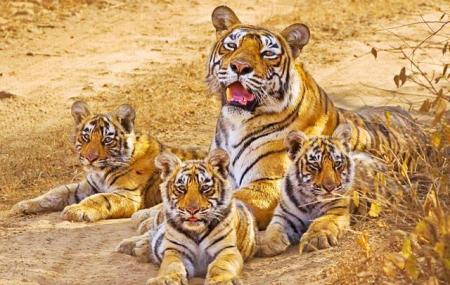
Spread across more than 1,000 square kilometers, Kaziranga is a unique ecosystem of tall elephant grasslands, wetlands, rivers, and tropical forests. The park is also home to Bengal tigers, Asian elephants, wild water buffaloes, and hundreds of bird species, making it one of the most important wildlife reserves in Asia.
Whether you're a wildlife enthusiast, birdwatcher, photographer, or adventure traveler, Kaziranga National Park offers a truly unforgettable safari experience.
Where is Kaziranga National Park Located?
Kaziranga National Park is situated in the Golaghat, Karbi Anglong, and Nagaon districts of Assam. Nestled along the southern banks of the Brahmaputra River, the park's diverse landscapes support an extraordinary variety of flora and fauna.
Quick Facts
- Location: Assam, India
- Established as National Park: 1974
- UNESCO World Heritage Status: 1985
- Area: Over 1,000 sq. km.
- Nearest Town: Bokakhat
- Famous For: One-Horned Rhinoceros
- Nearest Airport: Jorhat Airport
Kaziranga attracts thousands of domestic and international tourists every year and remains one of India's most successful conservation stories.
Why is Kaziranga National Park Famous?
Kaziranga is best known for its population of Indian One-Horned Rhinoceroses.
The park protects approximately two-thirds of the world's remaining one-horned rhino population, making it the most important rhino conservation area on Earth.
Kaziranga is also recognized for:
- UNESCO World Heritage Status
- High Density of Bengal Tigers
- Elephant Safaris
- Bird Watching Opportunities
- Rich Wetland Ecosystems
- Successful Wildlife Conservation Programs
The park's ecological importance makes it one of the most significant wildlife destinations globally.
Wildlife You Can Spot in Kaziranga National Park
Kaziranga supports a remarkable diversity of wildlife species.
Mammals
Visitors may encounter:
- Indian One-Horned Rhinoceros
- Royal Bengal Tiger
- Asian Elephant
- Wild Water Buffalo
- Swamp Deer
- Hog Deer
- Indian Leopard
- Sloth Bear
- Hoolock Gibbon
- Wild Boar
Kaziranga is one of the few places in the world where visitors can see all members of India's "Big Five" wildlife species.
Bird Species
Kaziranga is a paradise for birdwatchers, with more than 500 recorded bird species.
Popular sightings include:
- Great Indian Hornbill
- Bengal Florican
- Pelicans
- Bar-Headed Goose
- Pallas's Fish Eagle
- Lesser Adjutant Stork
- Kingfishers
- Herons
During winter, thousands of migratory birds arrive from Central Asia and Europe.
Central Range: The Heart of Kaziranga
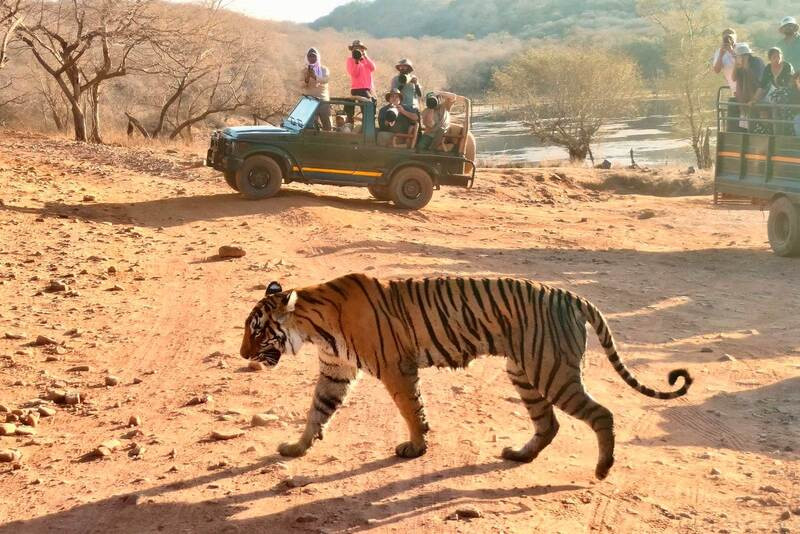
The Central Range, also known as the Kohora Range, is the most popular safari zone in the park.
Known for frequent rhino sightings, this zone offers excellent opportunities to observe:
- Rhinos
- Elephants
- Deer Species
- Wetland Birds
- Wild Buffaloes
Most first-time visitors begin their Kaziranga adventure here.
Activities in Central Range
- Jeep Safari
- Elephant Safari
- Wildlife Photography
- Bird Watching
- Nature Exploration
The open grasslands make wildlife spotting relatively easy.
Western Range: Best for Rhino Sightings
The Western Range, often referred to as Bagori Range, is famous for offering some of the highest chances of spotting one-horned rhinoceroses.
Highlights include:
- Large Rhino Population
- Elephant Herds
- Scenic Wetlands
- Excellent Photography Opportunities
Many wildlife photographers consider this range one of the best areas in Kaziranga.
Eastern Range: A Birdwatcher's Paradise
The Eastern Range, also known as Agoratoli Range, attracts nature enthusiasts and bird lovers.
Visitors can enjoy sightings of:
- Rare Bird Species
- Migratory Birds
- River Dolphins
- Wetland Wildlife
The scenic beauty of this zone makes it ideal for peaceful wildlife exploration.
Kaziranga Orchid and Biodiversity Park
Located near the national park, the Kaziranga Orchid and Biodiversity Park showcases Assam's rich natural and cultural heritage.
Visitors can explore:
- Hundreds of Orchid Species
- Traditional Assamese Villages
- Folk Performances
- Medicinal Plants
- Local Cuisine
This attraction offers a deeper understanding of the region's biodiversity and traditions.
Brahmaputra River and Wildlife Ecosystem
The mighty Brahmaputra River plays a crucial role in shaping Kaziranga's ecosystem.
Annual floods, while challenging, help maintain fertile grasslands that support herbivores such as rhinos, deer, and buffaloes.
The river also supports:
- Gangetic River Dolphins
- Aquatic Birds
- Wetland Ecosystems
This natural cycle is essential to Kaziranga's ecological balance.
Best Time to Visit Kaziranga National Park
For Wildlife Sightings
November to April
This is the ideal season for safaris, pleasant weather, and wildlife viewing.
For Bird Watching
December to February
Winter attracts thousands of migratory birds from across the world.
Park Closure
Kaziranga typically remains closed during the monsoon season (May to October) due to flooding.
How to Reach Kaziranga National Park
By Air
Nearest airports:
- Jorhat Airport (97 km)
- Guwahati Airport (220 km)
By Train
Nearest railway stations:
- Furkating Junction
- Guwahati Railway Station
By Road
Kaziranga is well connected by road from:
- Guwahati
- Jorhat
- Tezpur
- Dimapur
Regular taxis and buses are available throughout Assam.
Sustainable Tourism and Conservation
Kaziranga is considered one of the world's greatest wildlife conservation success stories.
Visitors can support conservation efforts by:
- Following safari guidelines
- Avoiding plastic waste
- Respecting wildlife habitats
- Supporting local communities
- Choosing eco-friendly accommodations
Responsible tourism helps protect the park's rare wildlife and delicate ecosystem.
Travel Tips for Visitors
- Book safaris in advance during peak season.
- Carry binoculars and cameras.
- Wear comfortable neutral-colored clothing.
- Visit early in the morning for the best sightings.
- Follow instructions from forest guides.
- Carry sunscreen and insect repellent.
Final Thoughts
Kaziranga National Park is one of India's greatest wildlife treasures and a must-visit destination for nature lovers. From the iconic one-horned rhinoceros and majestic Bengal tigers to breathtaking landscapes and rich birdlife, every corner of Kaziranga offers a unique adventure.
Whether you're embarking on an elephant safari, photographing rare wildlife, or exploring Assam's natural beauty, Kaziranga promises an experience unlike any other.
A journey to Kaziranga National Park is not just a wildlife safari—it's an opportunity to witness one of the world's most successful conservation achievements.